
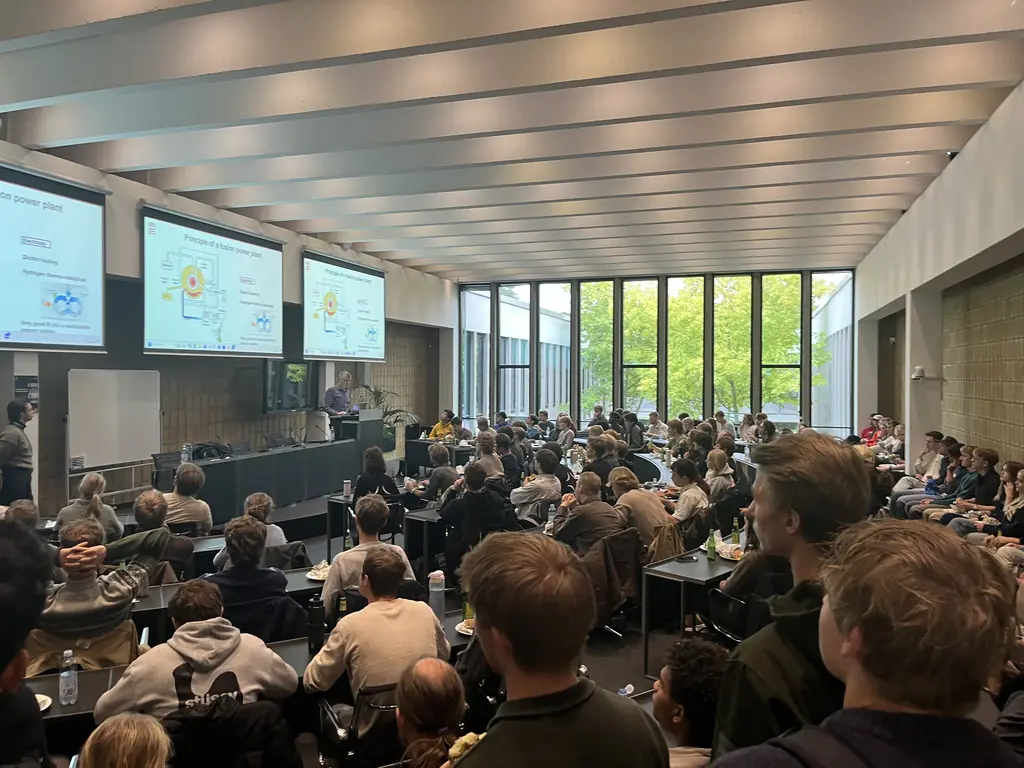
120 registrations in 48 hours.
Aurora Confinement organised and promoted a fusion lunch lecture at DTU with Søren Bang Korsholm and Novatron. The event attracted 120 registrations within 48 hours, with another 20 people joining the waiting list.
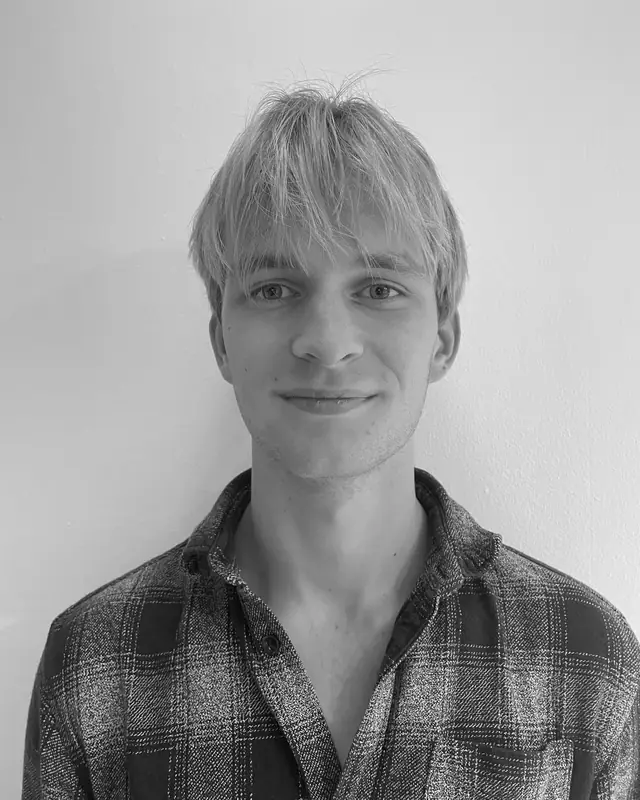
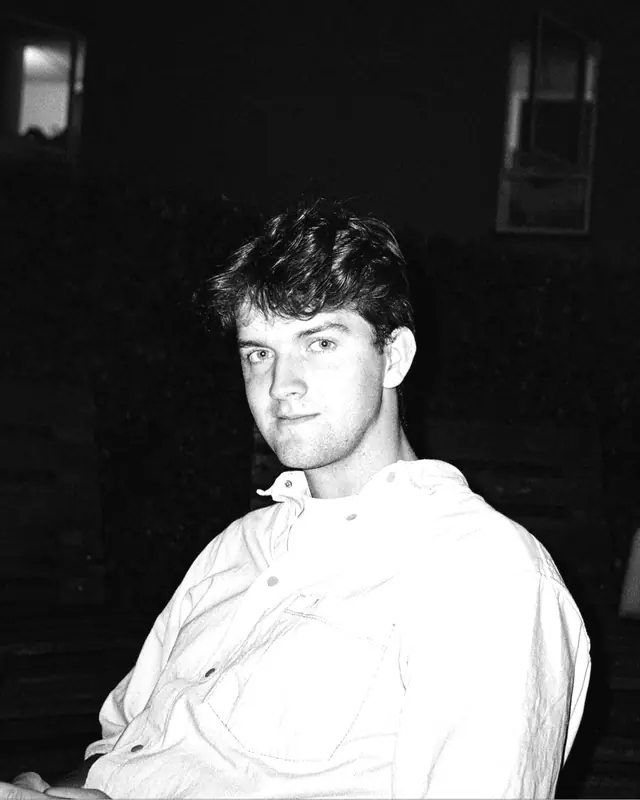
Physics and engineering students from DTU and the University of Copenhagen, working together to make plasma and fusion tangible.

Mechanical Engineering

Engineering Physics
Engineering Physics
Engineering Physics

Engineering Physics

Electrical Engineering

Electrical Engineering

Engineering Physics

Engineering Physics

Engineering Physics

Engineering Physics

Engineering Physics
Developing the concept, bringing people together and learning from the fusion community.
Aurora Confinement organised and promoted a fusion lunch lecture at DTU with Søren Bang Korsholm and Novatron. The event attracted 120 registrations within 48 hours, with another 20 people joining the waiting list.
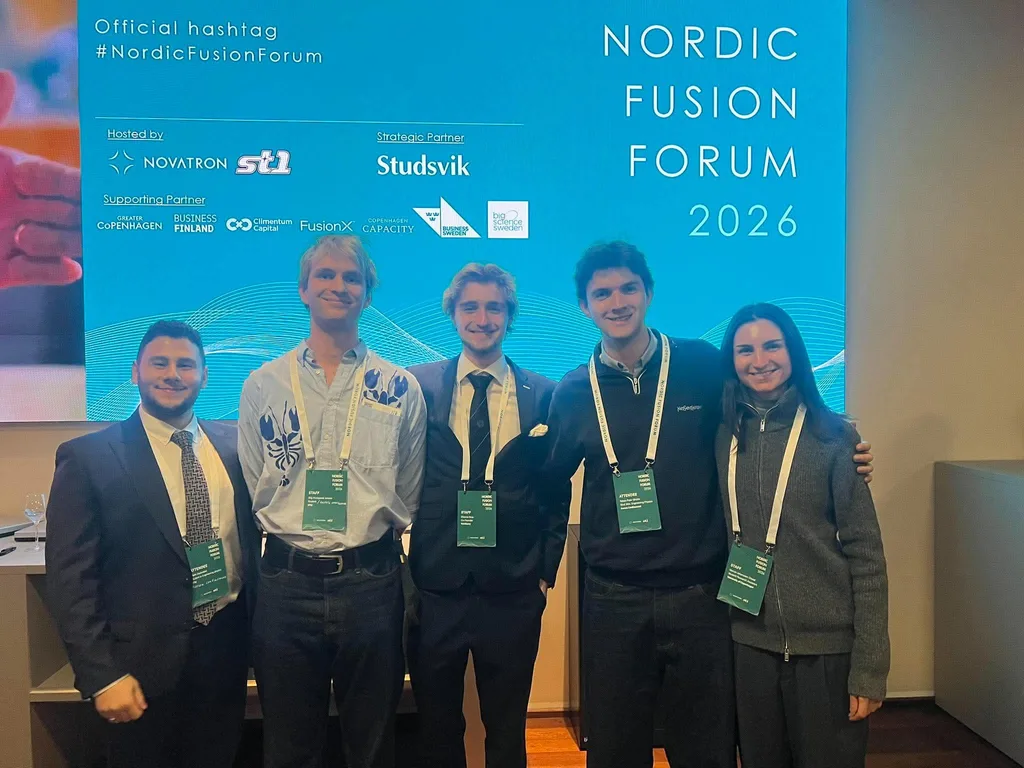
At Nordic Fusion Forum 2026 in Copenhagen, team members met researchers, fusion companies and funders to discuss workforce needs, public engagement and potential applications for our models.
Aurora Confinement is an early-stage, student-led initiative, currently pre-incorporation. University affiliations describe team members’ studies and do not imply institutional endorsement.
We’re students. We want a future to look forward to - and we’re ready to work for it.
Fusion combines light nuclei; fission splits heavy nuclei. Proposed deuterium–tritium fusion plants do not require uranium or plutonium fuel and do not produce spent fission fuel.
Spent fission fuel contains many radioactive substances with different half-lives. Some decay relatively quickly; others persist for thousands of years or longer.
Deuterium–tritium fusion produces activated plant components rather than spent fission fuel. ITER anticipates that suitable materials could become recyclable or reusable within about 100 years, depending on material selection.
This is a potential recycling timescale, not a universal half-life or a guarantee that all fusion waste becomes harmless after 100 years. Activated components and radioactive tritium still require controlled management.
Deuterium can be extracted from seawater. Tritium would need to be bred from lithium; reliable breeding remains an engineering challenge.
Fusion requires precisely controlled conditions. If those conditions are lost, the reaction stops, preventing a runaway chain reaction or fission-style core meltdown.
Deuterium–tritium fusion requires neither uranium enrichment nor plutonium fuel. Responsible development includes secure tritium handling, material accounting and engineered safeguards for radioactive materials and other plant hazards.
Wind and solar output changes with the weather and time of day. Fusion could add controllable low-carbon generation, helping balance supply when renewable output is low.
Substantial output at individual power-station sites, offering another option where land use, landscapes and local impacts constrain expansion.
Future fusion plants could produce electricity and supply district heating, making more use of the energy they generate.
Illustrative rated-capacity estimates from different studies, not average output or a like-for-like land-use comparison.
A 2001 conceptual study estimated approximately 300 m² per MW of plant capacity. Converting that estimate gives approximately 3,300 MW/km². This is a historical design estimate, not measured commercial performance.
Fusion land-requirement study — 2001A 2018 NREL technical-potential methodology uses approximately 30–36 MW/km² for solar and 3 MW/km² for wind. These represent rated capacity per area, not average electricity delivered.
NREL technical-potential methodology — 2018The studies use different dates, assumptions and land boundaries. Wind-farm spacing can remain available for farming and other activities; rooftop solar uses existing surfaces. Actual fusion sites must include supporting infrastructure. These figures do not establish a validated land-saving ratio.
The US Department of Energy identifies on-demand generation as a potential benefit of fusion. This does not mean uninterrupted operation or eliminate the need for storage and grid investment.
US DOE — on-demand generation potentialMax Planck IPP describes future plants producing 1–1.5 GW of electricity, with buildings comparable in size to existing large power stations. This is a prospective design scale, not demonstrated performance or Aurora’s capability.
Max Planck IPP — future plant scaleFusion researchers have examined combined electricity and district-heat production. Viability depends on plant design, heat-network temperatures, nearby demand and economics. Extracting useful heat can reduce electrical output.
Fusion research — electricity and district heatCogeneration recovers heat for homes, businesses or industry alongside electricity generation.
European Commission — cogenerationNoise, landscape changes, shadow flicker and warning lights can affect acceptance of wind projects. Fusion plants will also require environmental assessment, infrastructure and community engagement.
Denmark’s Transport Authority — wind-project acceptanceIn a 2023 IDA survey, 21% said living near wind turbines would bother them to a high or very high degree. This measured stated expectations, not actual neighbour experiences. The survey also found greater acceptance of wind and solar than of motorways and airports.
IDA — 2023 survey of expected neighbour impactsThese sources do not establish proven comparative land savings, fewer local disturbances or greater public acceptance for fusion. Commercial fusion costs, availability, operating lifetimes and maintenance requirements remain to be demonstrated.
Areas of alignment and intended contribution to the Sustainable Development Goals.

Physical tools for plasma teaching and science engagement.
Building knowledge and capabilities for future fusion energy.
Engineering experience through simulation, prototyping and validation.

Connecting education and outreach to a changing climate.
Official icons: United Nations Sustainable Development Goals. SDG asset-use guidelines.
The content of this publication has not been approved by the United Nations and does not reflect the views of the United Nations or its officials or Member States.
Registering interest is free + non-binding, and supports us in getting softfunding, to get started building.